In collaboration with
OMOTEC
BUILDUP
BIOMEDICAL LAB
12 weeks of real biotech research. Built and submitted by high school students, with OMOTEC mentors.
3 MONTHS
FULL PROGRAM
30 STUDENTS
FULL COHORT
5-6
MEMBERS PER TEAM
4
TRACKS
JUL 1 – SEPT 30
PROGRAM DATES
3 MONTHS
FULL PROGRAM
30 STUDENTS
FULL COHORT
5-6
MEMBERS PER TEAM
4
TRACKS
JUL 1 – SEPT 30
PROGRAM DATES
3 MONTHS
FULL PROGRAM
30 STUDENTS
FULL COHORT
5-6
MEMBERS PER TEAM
4
TRACKS
JUL 1 – SEPT 30
PROGRAM DATES
What is BuildUp Biotech Lab?
Medicine is changing faster than it's being taught. AI is diagnosing cancer. Algorithms are identifying drug candidates. Genomic data is reshaping how we understand disease. The Biotech Lab is where high school students stop reading about these changes and start contributing to it.
Over 12 weeks, fully remote and in collaboration with OMOTEC, a globally recognised student research organisation, you'll pick a biotech problem that interests you, build a working computational tool to investigate it, and co-author a research paper submitted to a peer-reviewed journal.
Prototype & Research Tracks
Four research tracks. One program.
After Phase 1, your team chooses a track and goes deep. Every track is laptop-only, using open-access data and computational tools accessible from anywhere in the world.

Biomedical & Health Sciences
Biomedical Engineering
Computational Biology & Bioinformatics

Translational Medical Science

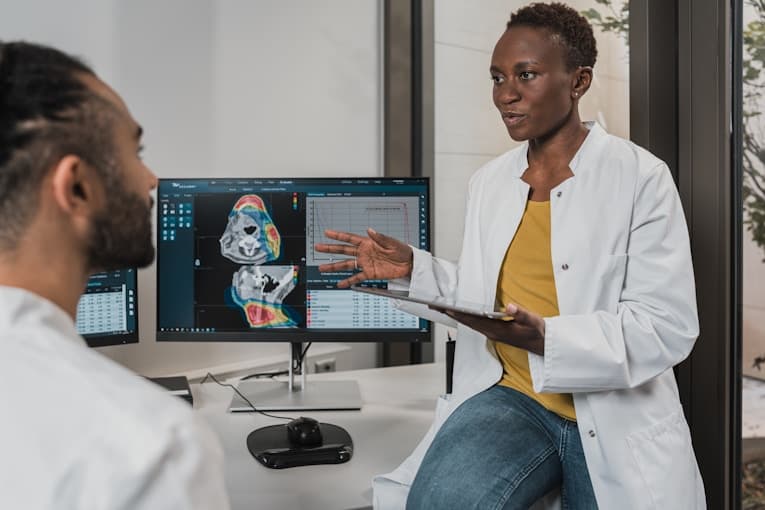
Biomedical & Health science
This track focuses on understanding human health, disease mechanisms, and physiological systems, including the influence of environmental and internal factors.
Translational Medical Science
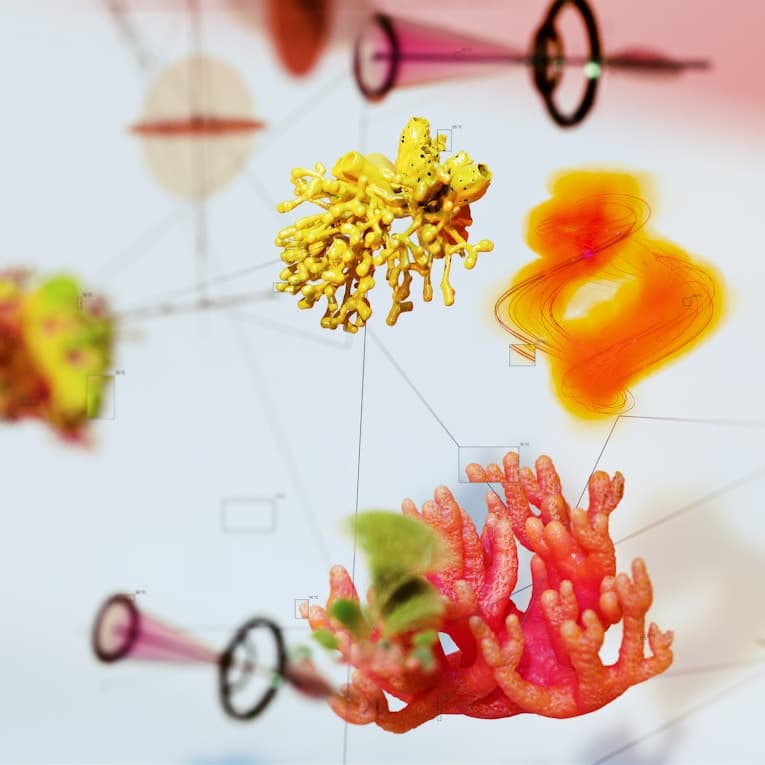
This track focuses on converting scientific discoveries into practical healthcare applications and improving clinical outcomes.
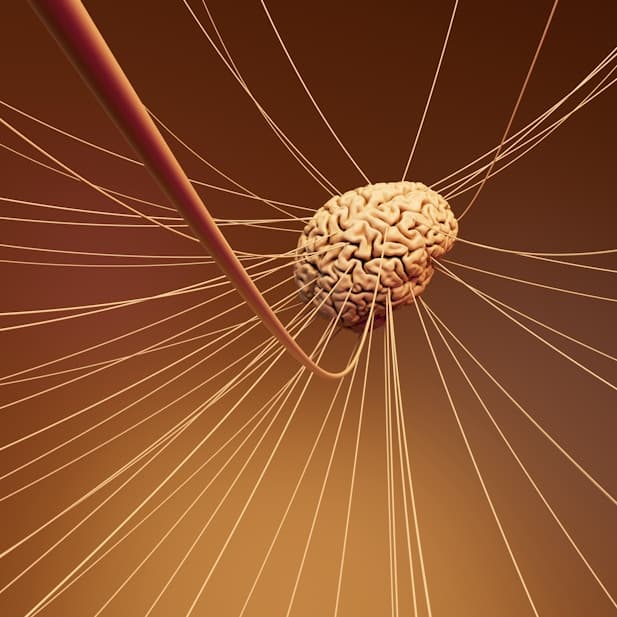
Computational Biology & Bioinformatics
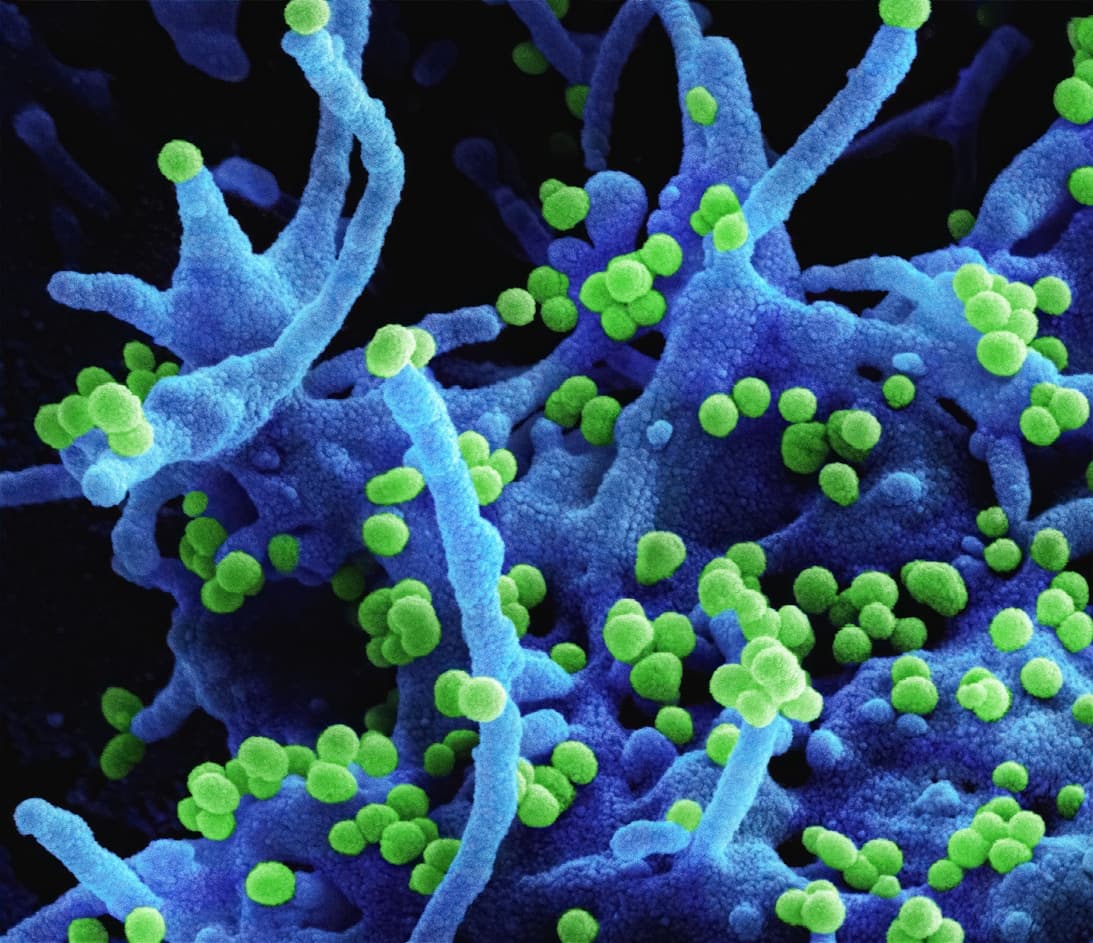
This track focuses on the use of computational tools, mathematical modeling, and data analytics to study biological systems.

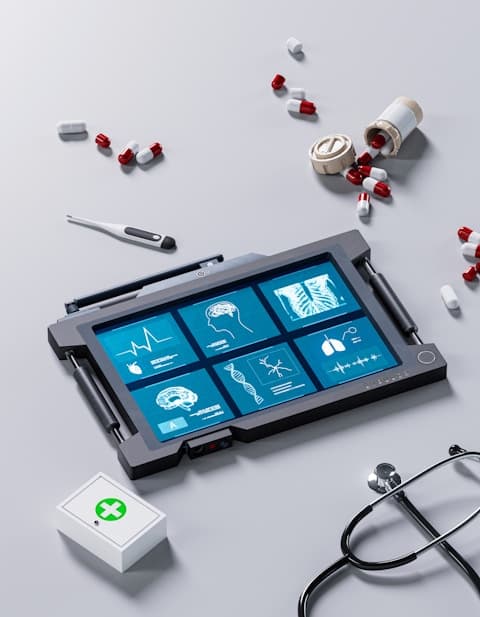
Biomedical Engineering
This track focuses on designing devices, sensors, and systems that connect biology with engineering — from lab tools to wearable and assistive health technologies.
One complete research journey.
PHASE 1: Foundation & Exploration
Weeks 1–4 · Saturday & Sunday evenings · 8 hours total
Phase description:
All students go through this together. Before anyone picks a track, you build the technical and analytical foundation you need to do real biomedical research. By the end of Week 4 you have a research idea. By the end of the transition, it's been validated by people who work in the field.
Week 1 — Python foundations
Python for biological data. Variables, loops, functions, and OOP — grounded in real biomedical examples from day one.
Week 2 — AI & Machine Learning
How ML models work, where they're transforming medicine, and how to build and evaluate one yourself.
Week 3 — LLMs & Claude for coding
How large language models work and how to use them as a research and coding assistant, prompting, debugging, and responsible use in research.
Week 4 — Data analytics & track selection
Data visualisation, biological datasets, and mapping a real problem onto a research question. You explore all four tracks and choose where you want to go deep.
PHASE 2: Specialisation & Project Execution
Weeks 5–15 · Teams of 5–6 · 1 dedicated OMOTEC mentor per team
Phase description:
You're now working in a focused team on a shared research problem. Your OMOTEC mentor guides, reviews, and supports. Two formal milestone reviews keep the research on track. The program ends with a live panel presentation.
Week 5 — Idea validation
You present your research idea to a panel of doctors and domain experts. You defend it, refine it, and lock in your direction before building begins.
Weeks 6–7 — Data & methodology
Source your dataset, clean it, and define your approach. What problem, what data, what method you use will be written down and signed off before you build anything.
Week 8 — Preliminary Design Review
First formal milestone, where you present your data, early findings, and methodology to your mentor.
Weeks 9–11 — Build sprint
You build things like ML models, bioinformatics pipelines, or health applications.
Week 12 — Critical Design Review
Second formal milestone. Present your results, what worked, what didn't, and what it means.
Weeks 13–14 — Paper writing & revision
Rounds of mentor-guided revision. Paper edits begin to get ready for submission.
Week 15 — Final presentation
Live panel to discuss your problem, your tool, and your findings.
Why this program?
Most programs teach you about biomedical science. This one puts you inside it.
Working computational tool
An ML model, bioinformatics pipeline, or deployed health application, built by you over eight weeks. It can be leveraged in any university interview or personal statement.
Co-authored research paper
15–25 pages, written with your team and guided by your mentor from first draft to journal submission. Submitted to peer-reviewed journals.
Post-program publication support.
The program ends at Week 15, but your mentor stays with you through the journal submission process, reviewer responses, and revisions until your paper is accepted.
Who should apply?
Grades 9–12
The program is open to high school students globally. No prior research, coding, or biology experience is required.
Students interested in medicine, biology, or health tech
If you're drawn to how technology is changing healthcare or AI diagnostics, genomics, drug discovery, computational neuroscience, this is the program to go deep in it before university.
Students building a serious university application
A published research paper and a working tool are rare, verifiable credentials at the high school level. This program is built to produce both.
Past Research Projects
Every project below was built and written by high school students, guided by OMOTEC mentors and published in peer-reviewed international journals.
Computational Neuroscience
Brain tumour detection in pediatric MRI
Computational Epidemiology
ML-driven epidemiological forecasting
Drug Discovery
Bioactive molecule screening with AI
Genetics & Immunology
Genomic markers in immune response
Mentors
Mentored by researchers who publish, patent, and build.
450+
Research papers published Across Springer, IEEE, Elsevier and other peer-reviewed international journals.
15+
Patents filed Including 4 granted patents on student-built devices and systems.
175+
Global awards won By students these mentors trained — across Regeneron ISEF, GENIUS Olympiad, Conrad Challenge and more.
300,000+
Students trained Across 8 innovation centres in India over more than a decade of research education.
Your mentor reviews your methodology, supports your build, edits your drafts, leads your milestone reviews, and continues working with you post-program until your paper is accepted. The recommendation letter they write reflects direct supervision of your work across the full program.

John Carter
Managing Director

Nina Kapoor
Financial Consultant

Alicia Morgan
Senior Marketing Consultant

Liam Cheng
Lead Business Analyst
Limited cohort · Summer 2026
Ready to research?
BuildUp Biotech Lab is selective — 30 students, dedicated mentors, and 12 weeks of real biotech work. Start your application on our dedicated apply page.
30
Students per cohort
12
Weeks of research
4
Research tracks
FAQs
Frequently asked questions.